More About Coronavirus
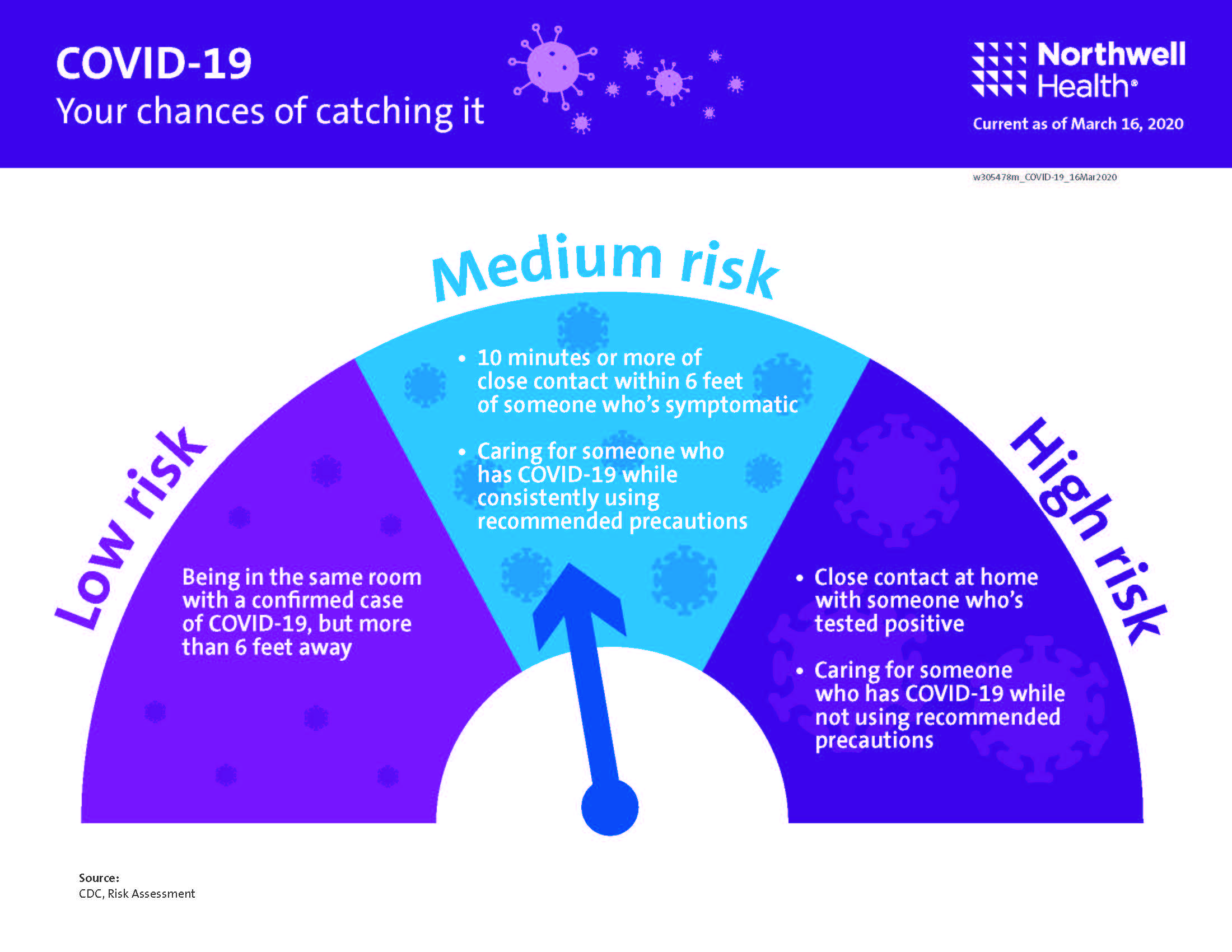
COVID-19 infects people of all ages. However, 2 groups of people are at a higher risk of getting severe COVID-19 disease. People over the age of 60 and those with underlying medical conditions such as cardiovascular disease, diabetes, and cancer. The risk of COVID increases with age starting from around 40 years. It is imparitive to stay home when possible, and if one must make essential purchases, be sure to wear a mask and stay at least 6 feet away from others whenever possible.
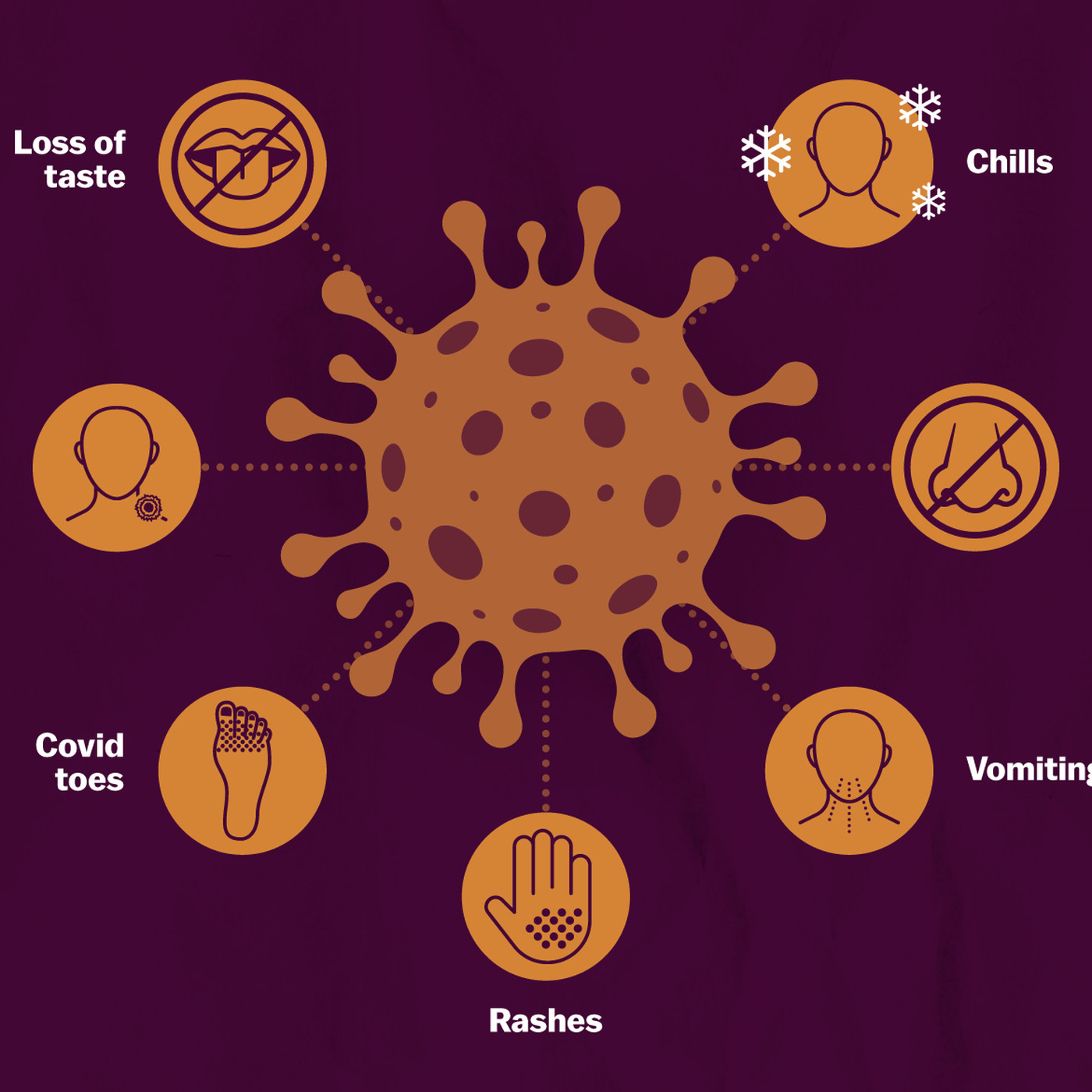
Coronavirus symptoms include fever/chills, cough, shortness of breath/difficulty breathing, fatigue, muscle/body aches, headache, loss of taste/smell, sore throat,congestion, a runny nose, nausea, vomiting or diarrhea. Seek emergency care if you experience one or more of the followinig symptoms: trouble breathing, persistent pain/pressure in the chest, new confusion, inability to stay awake, or bluish lips/face.
While some may exchange both terms in conversation, they actually refer to different types of people who may have to quarantine or isolate themselves. An isolation period refers to someone who has been diagnosed positive for COVID-19 or may have been near someone who was. Quarantine refers to people who are not ill but are believed to have been exposed to the virus. Both periods are usually done at home and last for 14 days until symptoms have significantly lessened and you haven't had a fever for one full day(24 hours).
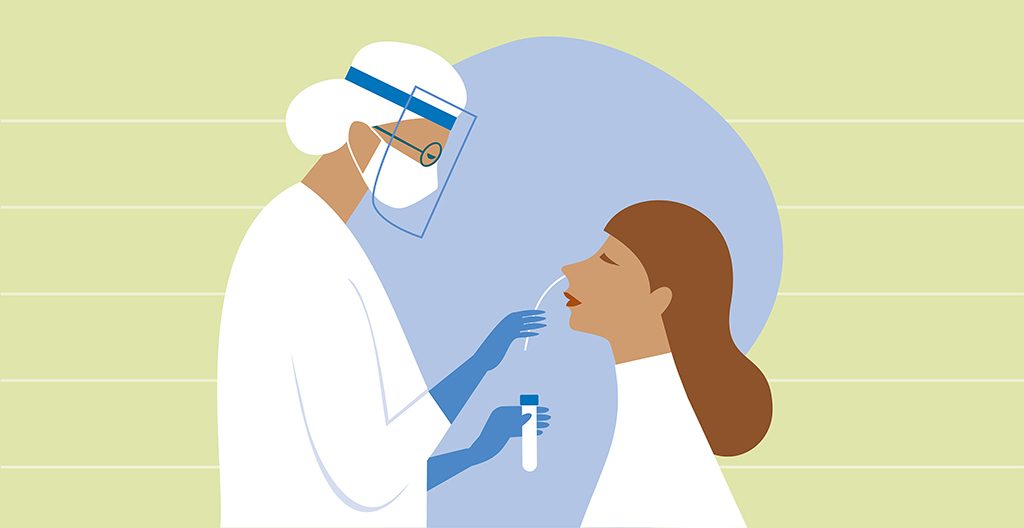
Someone should get tested if they are experiencing any of the symptoms stated above. Symptoms can range from mild to severe. There are various online tools to help determine whether you should get medical help or stay home.